When change is expected, but nothing is really changing

Leaders are under pressure to move forward — yet people are firefighting, meetings repeat themselves, and progress feels slower than it should.

I help create the clarity needed to move from intent to action, even in complex, high-pressure environments.

The reality many leaders recognise

You may be experiencing some of this:

  • A clear message from the executive team that things need to change — but little time or resource to make that change real
  • Repeated meetings where everyone agrees, yet outside the room very little shifts
  • Teams spread across geographies, functions, cultures, and personalities, each holding a slightly different picture of what's going on
  • Capable people doing their best, but defaulting to firefighting because the day job never lets up

This isn't because people don't care.

It's because change is hard — especially when clarity is missing and pressure is constant.

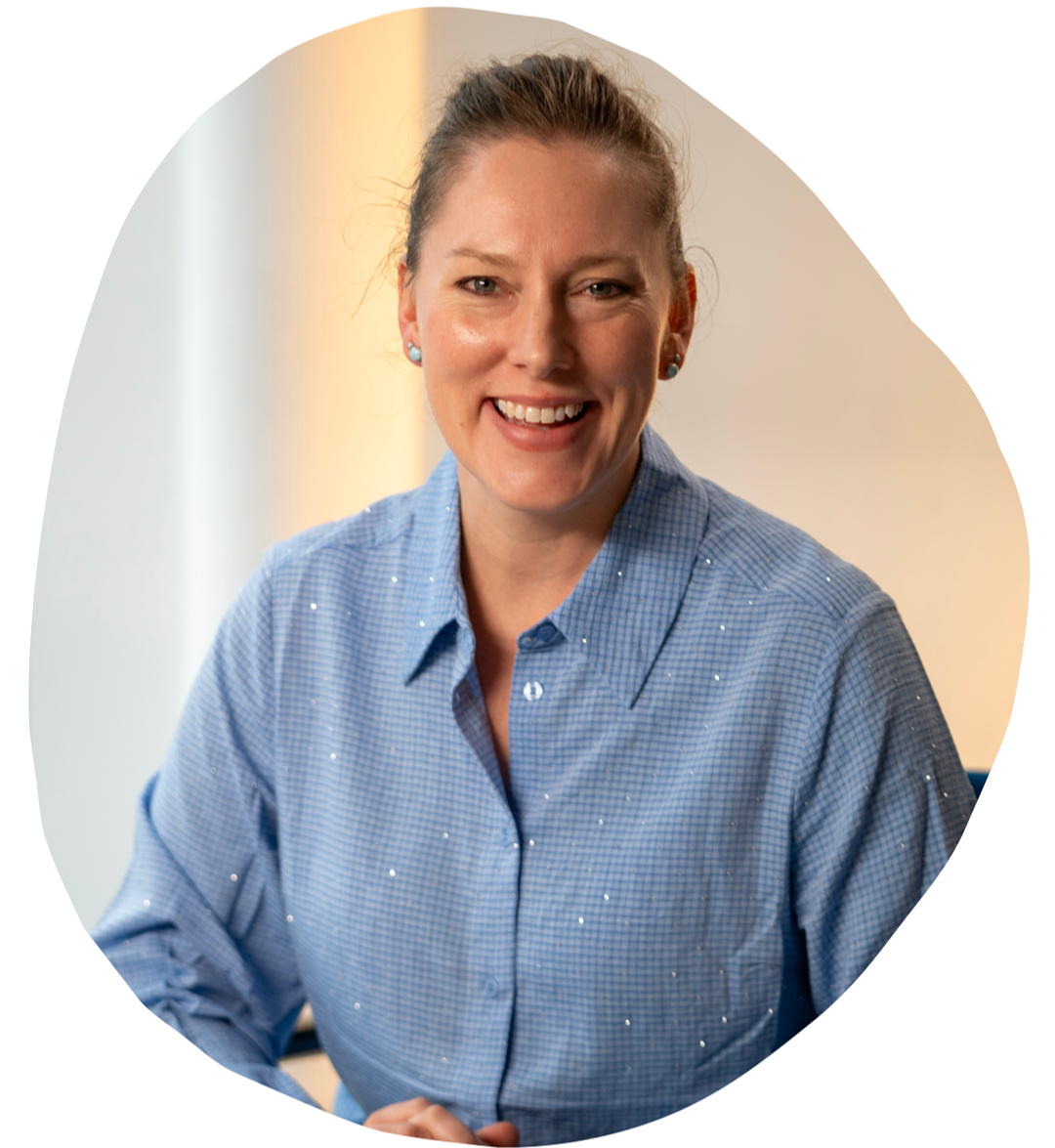
Kat Mather

Leadership Partner

What I do

I work as a leadership partner, helping leaders and teams make sense of complex situations before jumping to solutions.

My focus is on:

  • creating shared understanding across silos, locations, and perspectives
  • slowing things down just enough to see what actually matters
  • clarifying decisions, trade-offs, and ownership
  • supporting leaders to move forward with confidence, not noise

This is not about producing reports or running large transformation programmes.

It's about creating the conditions where good decisions can form — and survive.

How this helps

When clarity is experienced rather than explained, leaders often notice that:

  • conversations become more productive
  • assumptions are surfaced and tested
  • people stop talking past each other
  • decisions feel lighter, not heavier
  • momentum returns without adding more process

Most importantly, leaders realise they are not alone in feeling stuck — and that their instinct that "something isn't quite right" was valid.

A practical, hands-on approach

My background is in design, but not in the sense of finishing touches or aesthetics.

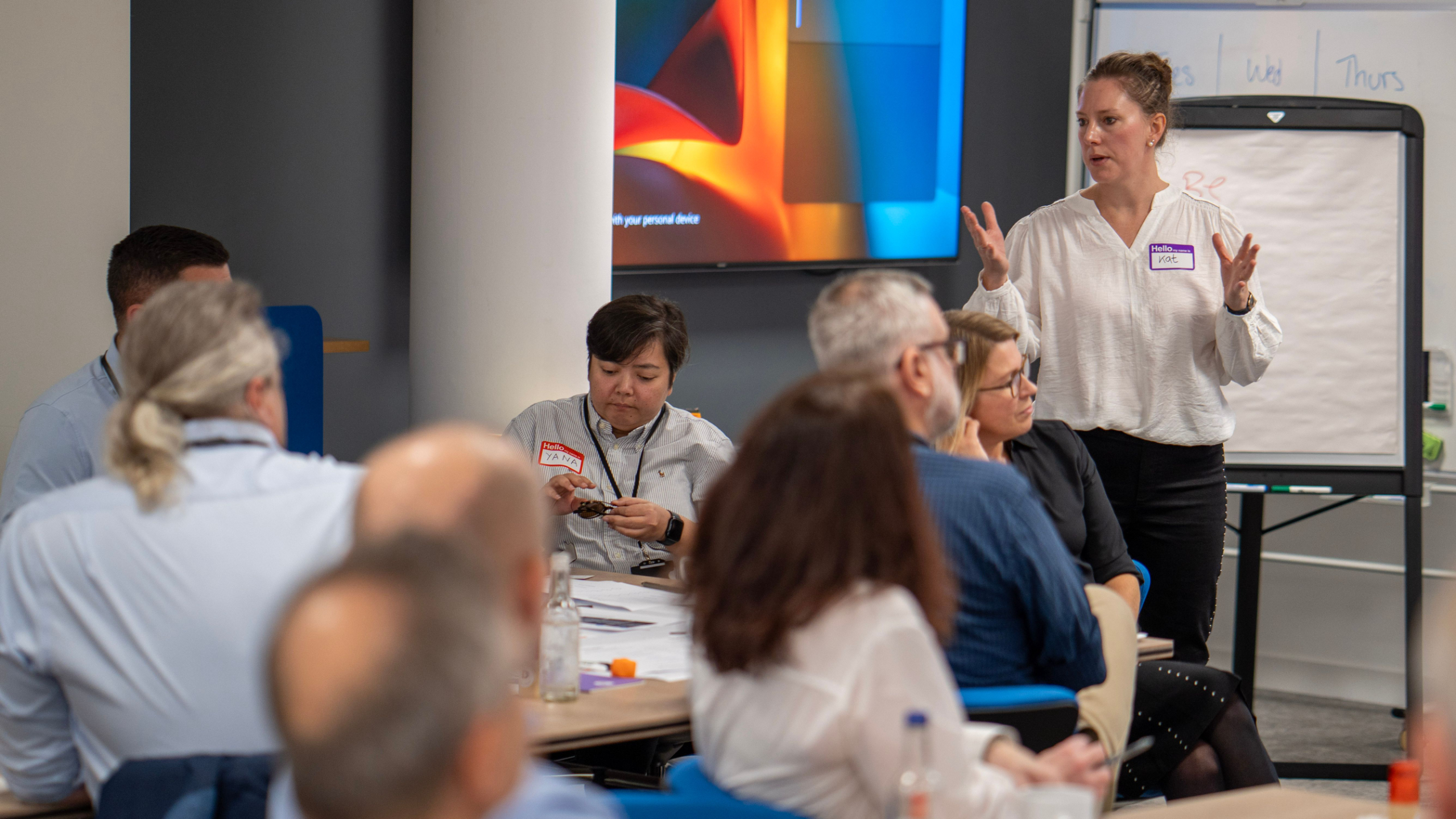
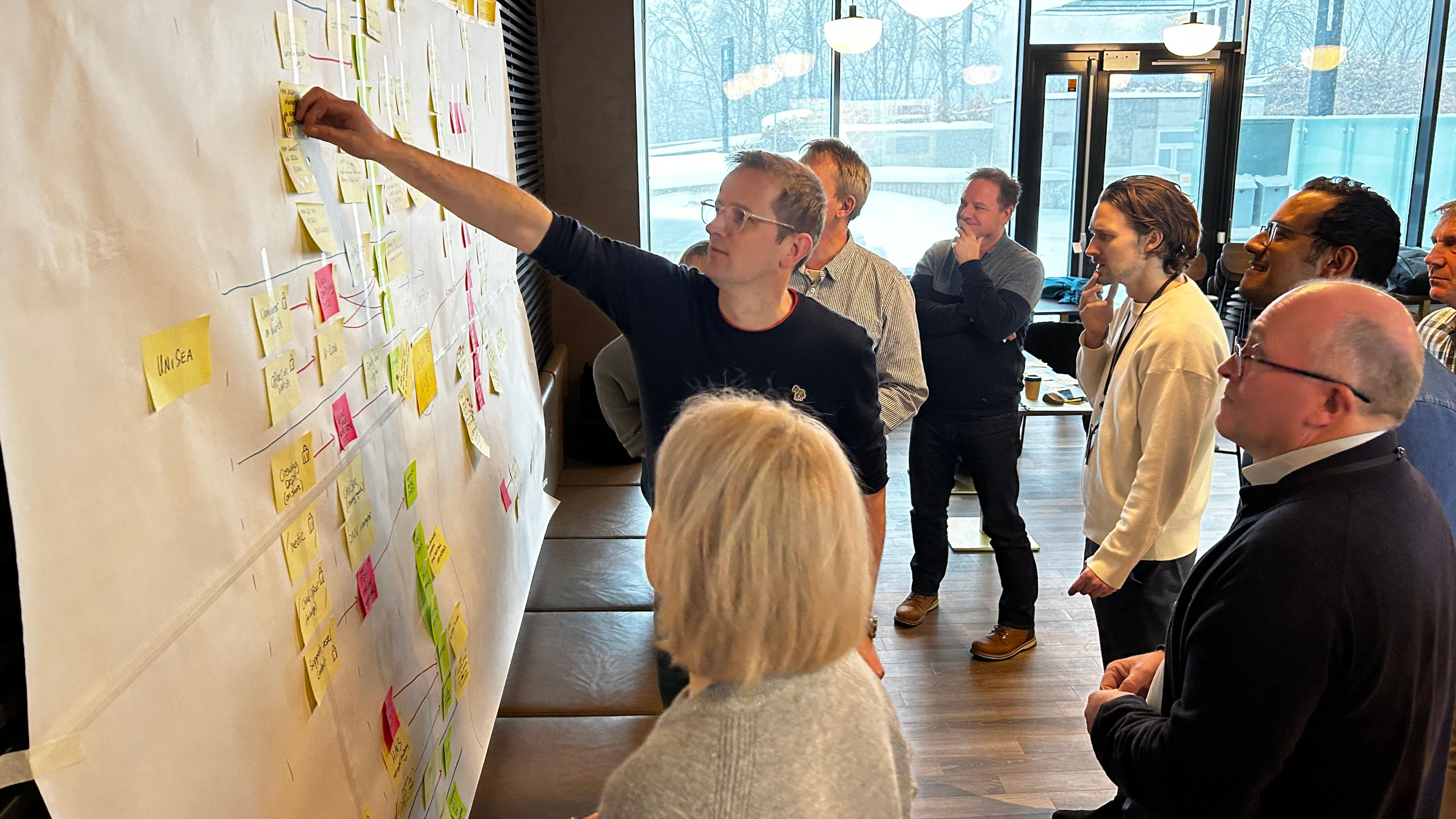
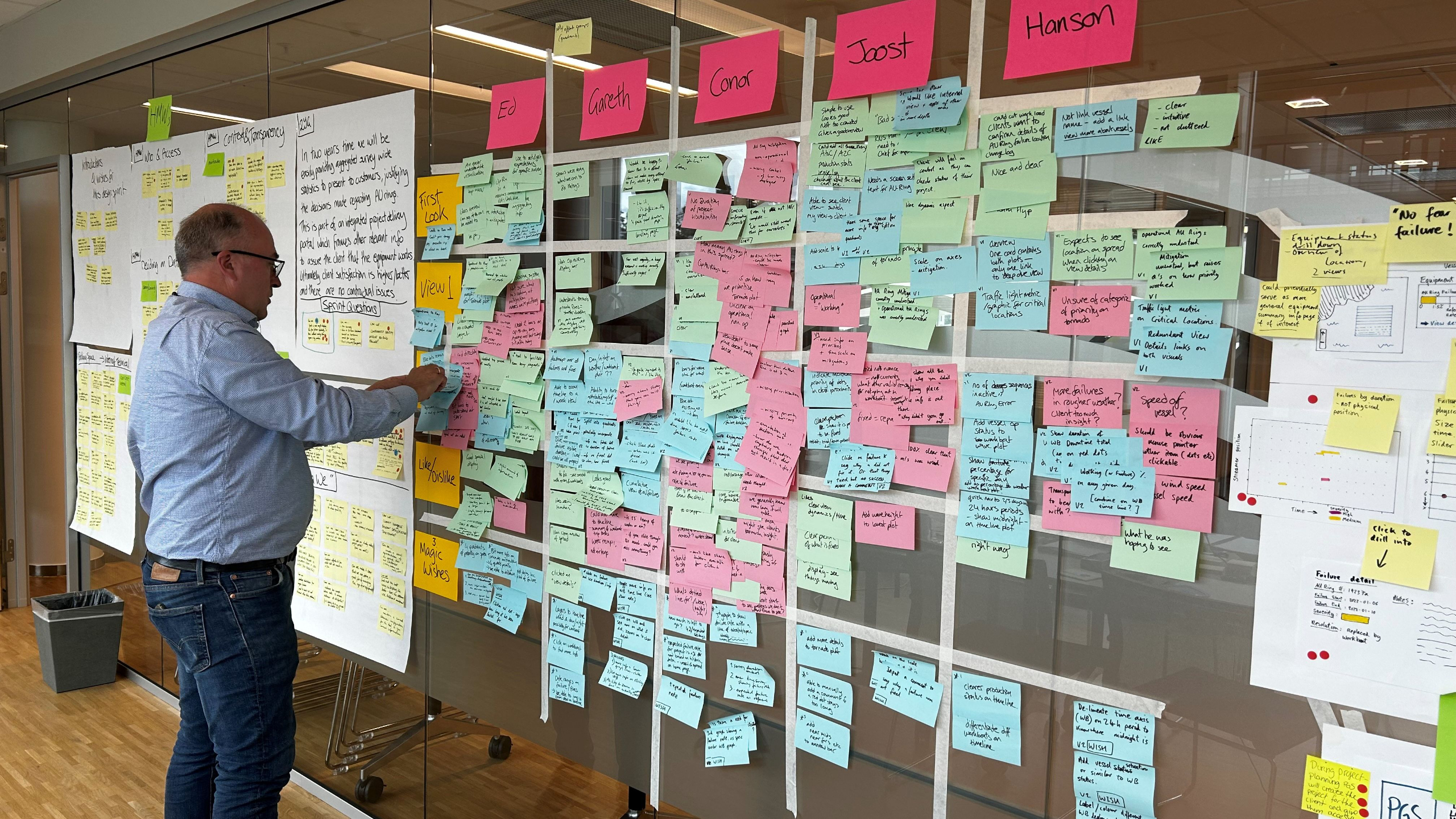
I use design-led, participatory methods — visual mapping, hands-on exploration, role play, and prototyping — because they help people:

  • understand complexity quickly
  • engage across differences in culture, personality, and experience
  • remember what was agreed once they return to the pressure of daily work

This is an investment in clarity, not time lost from "real work".

Ways of working

I work through clearly scoped, fixed-fee engagements such as:

  • short sense-making sprints
  • facilitated leadership and team sessions
  • ongoing stewardship to protect intent as decisions move into action

Each engagement is designed around real constraints — time, energy, geography, and pressure — not idealised conditions.

A conversation, not a pitch

If this reflects a situation you're currently navigating, the next step is a short conversation.

Not to sell a solution — but to understand your context, your constraints, and whether this kind of work would genuinely help.


Client Testimonials

"Kat's design thinking helped us solve the right problems—saving time, money, and frustration. Her facilitation created true buy-in during a complex merger, accelerating alignment and driving real change."

Rob Adams

PGS

"Kat turned a vague brief into our most impactful internal conference in 34 years—driving measurable outcomes and full engagement. Her facilitation, planning, and workshop design brought clarity, alignment, and energy across our entire post-merger organization."

Paul Courtenay

TGS

Book a conversation